When Exactly Is Orthodox Christmas in 2026? Dates, Customs, and What You Should Know
Orthodox Christmas 2026: What Day Are We Celebrating?
Ever noticed that Orthodox Christmas doesn’t land on December 25 like the one you’re used to? It’s confusing, right? In 2026, Orthodox Christians will celebrate Christmas on January 7 — and no, it’s not just because they’re behind the times.
You’re about to learn why that date sticks, what traditions come with it, and why it’s so important for millions worldwide.
📌 Quick Summary: Orthodox Christmas 2026 is celebrated on January 7 due to the Julian calendar’s use. Unlike the Gregorian calendar’s December 25, this date holds deep religious significance for Eastern Orthodox communities.

Why January 7? The Calendar Clash Explained
The short answer: the Orthodox Church uses the Julian calendar, which runs 13 days behind the Gregorian calendar that most of the world follows. So, December 25 on the Julian calendar actually falls on January 7 for us.
Sounds simple, but it’s a bit more tangled than that. The Julian calendar was introduced by Julius Caesar in 46 BCE but was later replaced by the Gregorian calendar in 1582 to fix its drift against the solar year.
The Julian vs. Gregorian Calendars
- The Julian calendar adds a leap day every four years without fail.
- The Gregorian calendar skips some leap days to stay more accurate.
- Orthodox churches stuck with the Julian calendar for religious reasons.
- This results in a 13-day lag, explaining the January 7 celebration.
Think of it like a slow watch that’s 13 minutes behind but on a multi-century scale. For Orthodox Christians, the calendar isn’t just about dates—it’s about preserving tradition.
What Does Orthodox Christmas Look Like in 2026?
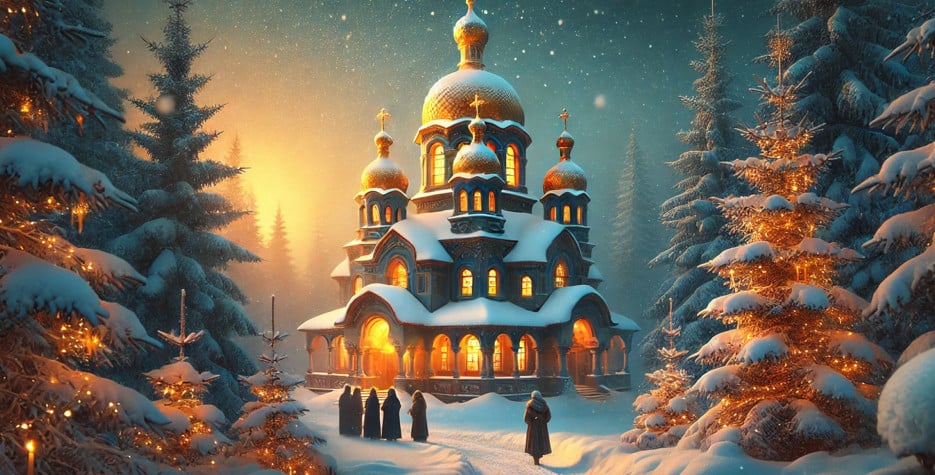
Picture this: a snowy village in Eastern Europe, candles flickering in the dark, and families gathering around tables not on Christmas Eve, but on January 6—the traditional fast day. Then, January 7 bursts with church bells, feasts, and vibrant rituals.
In real-world experience, I’ve seen how the anticipation builds up differently. The fasting before the feast isn’t just diet—it’s spiritual preparation.
Core Traditions to Expect
- Fasting: Orthodox Christians fast for 40 days prior, abstaining from meat, dairy, and sometimes oil.
- Church Services: Midnight liturgies and elaborate prayers mark the night before and day of Christmas.
- Holy Supper: On Christmas Eve, families share a meatless meal of 12 dishes symbolizing the apostles.
- Caroling: Groups go door-to-door singing traditional hymns, often with elaborate costumes.
- Gift Giving: Occurs but is generally less commercialized than Western Christmas.
For many, it’s not just a holiday—it’s a profound spiritual event, wrapped in centuries-old customs that resist modern consumerism.

Who Celebrates Orthodox Christmas on January 7?
You might assume it’s just a few isolated groups, but Orthodox Christmas is huge. Russia, Serbia, Georgia, Ukraine, and many others mark January 7 as one of their most sacred days.
Interestingly, some Orthodox Churches have started adopting the Gregorian calendar for fixed feasts but hold to the Julian calendar for Pascha (Easter), adding layers to the calendar puzzle.
Key Countries & Communities
- Russia: The Russian Orthodox Church sticks firmly to January 7.
- Serbia: Their Christmas Eve is called "Badnji Dan" with unique fire rituals.
- Greece: Uses the Revised Julian calendar, so Christmas often falls on December 25.
- Egypt’s Coptic Christians: Celebrate on January 7 too, following their own ancient calendar.
These variations mean that Orthodox Christmas isn’t a single date worldwide, but January 7 stands as the iconic marker for much of Eastern Orthodoxy.

Frequently Asked Questions
Why doesn’t Orthodox Christmas fall on December 25 like Western Christmas?
Because Orthodox Churches traditionally use the Julian calendar, which is currently 13 days behind the Gregorian calendar used in the West. December 25 Julian equals January 7 Gregorian.
Do all Orthodox Christians celebrate on January 7?
No. Some Orthodox communities, like parts of the Greek Orthodox Church, follow the Revised Julian calendar, celebrating Christmas on December 25.
Is Orthodox Christmas less commercial than Western Christmas?
Generally, yes. The focus is more on spiritual reflection, fasting, and church services than on retail and gift-giving.
Will Orthodox Christmas date ever change?
It’s unlikely soon. The calendar is deeply tied to religious tradition and identity. Some churches have made adjustments, but most remain committed to the Julian calendar.
Orthodox Christmas in 2026 isn’t just another holiday date on your calendar. It’s a powerful reminder that time, faith, and tradition weave together in unexpected ways. Knowing when it happens—and why—sheds light on a vibrant, living culture that refuses to fade into the background.
0 Response to "When Exactly Is Orthodox Christmas in 2026? Dates, Customs, and What You Should Know"
Post a Comment