Dive Deep into Serbian Christmas 2026: Customs, Foods, and Festive Spirit Revealed
Why Serbian Christmas Feels Like Stepping Into Another Time
Ever wondered why Serbian Christmas feels like a secret holiday whispered through centuries? It’s not just about the date—January 7th—as much as it’s about the rituals, the food, and the warmth that fills every home.
In 2026, Serbian Christmas celebrations are as rich as ever, blending old-world customs with modern touches that keep the spirit alive and kicking.
Here’s what you’re about to uncover: the heartbeat of Serbian Christmas in 2026, from the deeply symbolic Badnjak to the mouthwatering delicacies and the unique festive vibe that makes it unforgettable.
📌 Quick Summary: Serbian Christmas on January 7th is a unique Orthodox celebration marked by centuries-old rituals, symbolic traditions like the Badnjak log, and hearty festive meals. In 2026, these customs continue to thrive, blending history with contemporary family warmth.

What Makes Serbian Christmas Unique in 2026?
Orthodox Calendar & The Date
Serbian Christmas sticks firmly to the Julian calendar, meaning it lands on January 7th, not December 25th. This little shift throws the whole holiday vibe into a different season—deep winter, snowy landscapes, and a slower, more reflective pace.
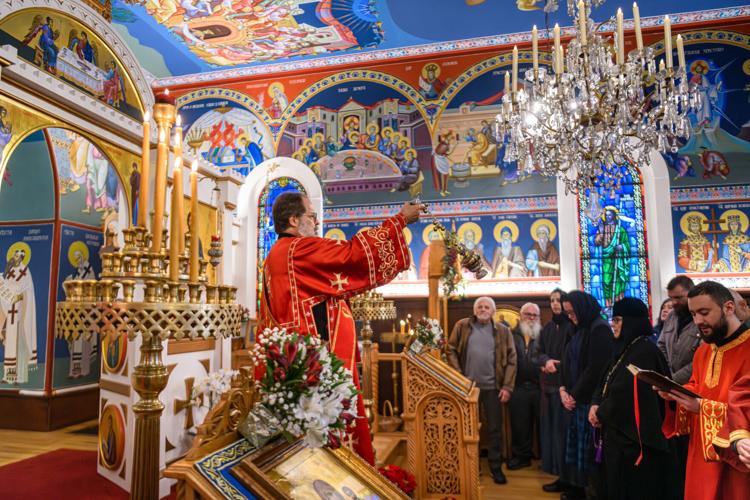
The Orthodox Church’s influence is undeniable. In 2026, religious ceremonies across Serbia are bustling, especially the midnight liturgies that draw crowds from tiny villages to big city cathedrals.
The Badnjak: More Than Just a Log
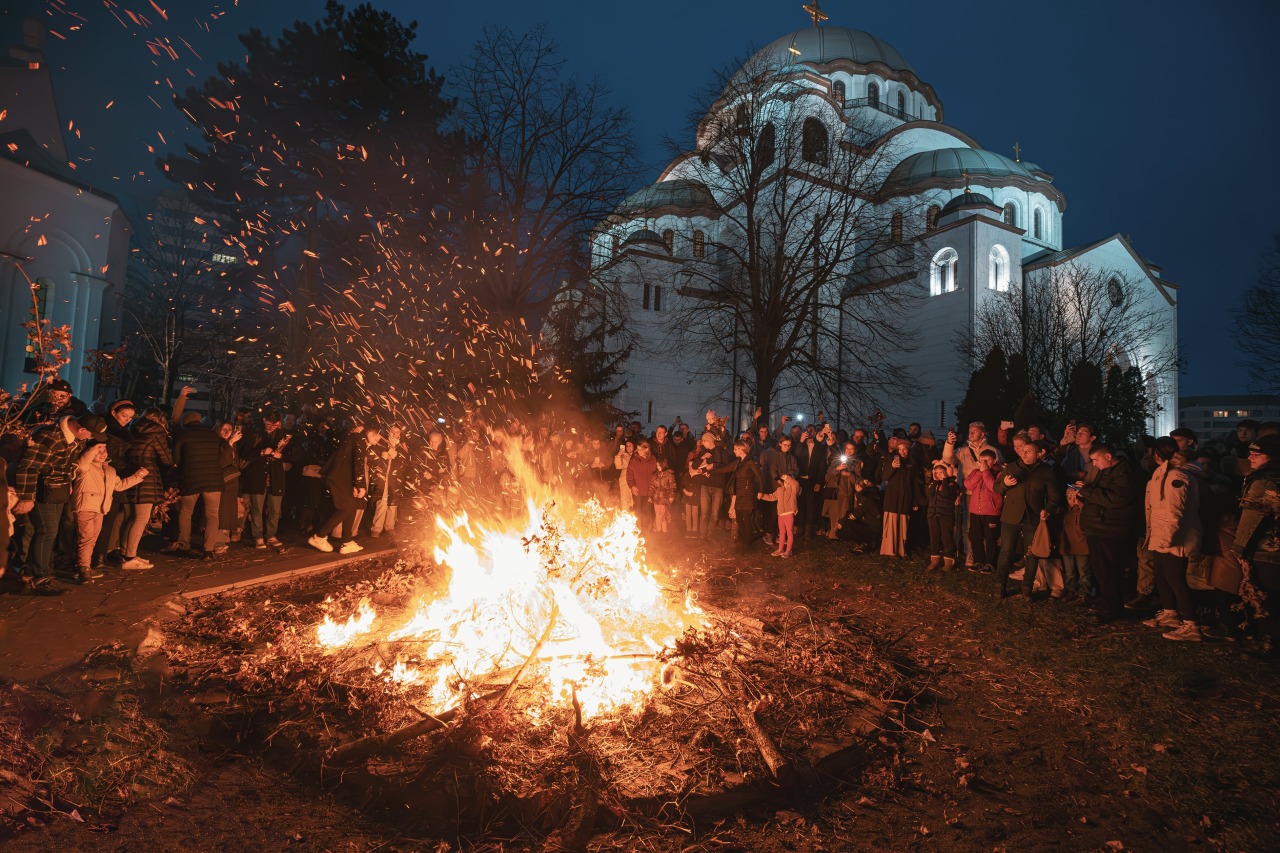
Ever heard of the Badnjak? It’s the oak branch or log that Serbs ceremonially burn on Christmas Eve. This isn’t some random tradition—it symbolizes warmth, prosperity, and the welcoming of Christ’s birth.
In 2026, families still gather around the Badnjak, often handpicked from the forest, to perform this age-old ritual. The crackling fire feels like a direct line to ancestors, a tangible link in the chain of Serbian identity.
Family Feasts & Festive Foods
Serbian Christmas wouldn’t be the same without its hearty meals. Think roasted pork, sarma (cabbage rolls), and česnica—a special Christmas bread with a coin baked inside for luck.
In 2026, these dishes aren’t just food; they’re storytelling devices, passed down through generations. I remember my friend’s grandmother in Novi Sad—her sarma was so legendary, neighbors would come early to snag a plate before it vanished.
How Serbs Celebrate Christmas Day in 2026
Morning Rituals and Blessings
Christmas morning kicks off with blessings and prayers. In many homes, the father or elder leads a blessing over the family and the food. This moment feels sacred—quiet, filled with gratitude and hope.
Then it’s time to break the česnica bread. Whoever finds the coin inside is said to have good luck for the entire year. It’s a tiny thrill that never gets old.
Gift-Giving & Socializing
Unlike the Western Christmas rush, Serbian gift-giving is more intimate and understated. Presents are often modest but meaningful, reflecting thoughtfulness over extravagance.
In 2026, the trend of combining old customs with new styles is clear—tech gadgets might appear alongside handmade ornaments. It’s a blend that keeps the holiday vibrant.
Community and Festive Events
Across Belgrade and smaller towns, you’ll find concerts, folk dances, and markets buzzing with life. The festive spirit is infectious, and locals make sure visitors feel it too.
I once tagged along with a local family to a village celebration outside Niš—singing, dancing, and storytelling stretched late into the night. That kind of communal joy? You can’t fake it.
Challenges and Changes Facing Serbian Christmas Traditions in 2026
Urbanization vs. Tradition
As more Serbs move to cities, some traditions are adapting—or fading. The Badnjak ritual, for example, is harder to perform in apartment blocks. Yet, creative urban families find new ways, like symbolic decorations or community gatherings.
The tension between old and new is real. But it’s also a sign of resilience. Tradition isn’t static; it’s bending but not breaking.
Globalization’s Impact
Western Christmas customs, like Santa Claus and commercial decorations, are seeping in. Some purists grumble, but many young Serbs enjoy blending these elements with Orthodox customs.
In 2026, it’s common to see Christmas trees lit up alongside the traditional Badnjak fire—both symbols sharing space, sparking debates but also smiles.
Preparing for Serbian Christmas 2026: Insider Tips
Start with the Badnjak Ritual
If you want to experience Serbian Christmas like a local, don’t skip the Badnjak. Whether in a village or city, participate or observe the ceremonial burning. It’s raw, authentic, and immensely moving.
Sample Traditional Foods Early
Make sure to try sarma, roasted pork, and especially česnica. I recommend arriving hungry—these dishes are rich, filling, and worth every calorie.
Join Community Events
Concerts, folk performances, and church services are open to anyone. They offer a window into the soul of the holiday beyond just the family circle.
In 2026, embracing both the solemn and festive sides of Serbian Christmas creates an unforgettable experience that’s both personal and cultural.

⭐ Expert Insight: Serbian Christmas is a living tradition, balancing religious solemnity with lively family customs. Its endurance in 2026 proves that culture thrives when it adapts, not when it’s frozen in time.
Frequently Asked Questions
Why is Serbian Christmas celebrated on January 7th?
Because the Serbian Orthodox Church follows the Julian calendar, Christmas falls on January 7th, which corresponds to December 25th in the Gregorian calendar used by most of the world.
What is the significance of the Badnjak log?
The Badnjak symbolizes warmth, life, and the welcoming of Christ's birth. Burning it is a centuries-old tradition meant to bring prosperity and protection to the household.
Are there any special foods unique to Serbian Christmas?
Yes, traditional dishes include sarma (cabbage rolls), roasted pork, and česnica, a festive bread with a hidden coin that brings luck to whoever finds it.
How do modern Serbian families blend old and new Christmas traditions?
Many incorporate Western elements like Christmas trees and Santa Claus alongside Orthodox rituals, creating a hybrid celebration that respects tradition but embraces contemporary culture.
0 Response to "Dive Deep into Serbian Christmas 2026: Customs, Foods, and Festive Spirit Revealed"
Post a Comment